
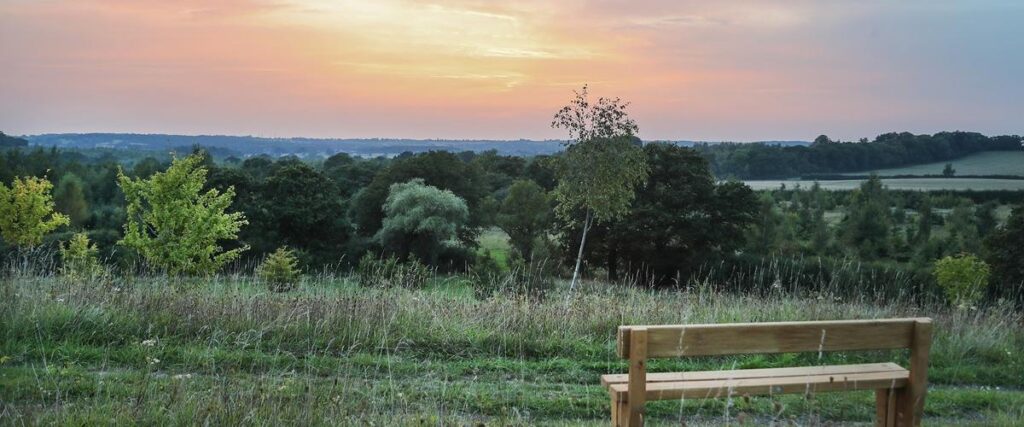
A natural burial, also known as a green burial or woodland burial, is an environmentally conscious way of laying someone to rest. It involves burying a person in the earth in a way that allows their body to decompose naturally and return to the environment.
Unlike a traditional burial, natural burials aim to minimise the use of materials and chemicals that could have a lasting impact on the surrounding environment.
If someone chooses to be buried at a natural burial ground, they will usually need to follow the site’s specific guidelines. These are in place to protect the surrounding wildlife, plants and soil, and to allow the natural decomposition process to take place.
What is involved in a natural or green burial?
Although the exact requirements vary between burial grounds, there are a few common features of a natural burial.
No embalming
Embalming involves using chemical preservatives to temporarily preserve the body. Natural burial grounds generally do not allow embalming, as they aim to avoid introducing these chemicals into the soil and allow the body to decompose naturally.
Biodegradable materials
The deceased are usually laid to rest in a biodegradable coffin or shroud. These can include wicker, cardboard, untreated wood, wool or natural fabrics. The materials are chosen so that they can break down naturally over time.
No concrete vaults
Unlike some traditional burial practices, natural burials do not usually involve concrete grave liners or outer burial vaults. This allows the coffin or shroud to come into contact with the surrounding earth.
Natural memorials
Rather than traditional upright headstones, natural burial grounds often use simpler memorials. These might include small wooden plaques, natural stone markers or planted areas. Some sites also allow native trees, shrubs or wildflowers to form part of the landscape.
What is a natural burial site?
A natural burial site is an area of land that is managed to protect and encourage the surrounding natural environment.
These sites are often privately managed and may be set within woodland, open countryside or wildflower meadows. Some look like traditional woodland areas, while others are more open, with grassland, wildflowers and established trees.
The aim is to create a peaceful resting place that also supports local wildlife and biodiversity.
Graves are generally marked in a more understated way than those in a traditional cemetery. Depending on the site, this could be a small stone plaque, a wooden marker or a designated area of planting.
The appearance and maintenance of each site will vary, but the intention is to allow nature to remain the main focus.
Am I and my family allowed to visit the site at any time?
Yes, families can usually visit their loved ones at a natural burial ground, although opening hours and access arrangements will depend on the individual site.
Some burial grounds are open to visitors throughout the year, while others have specific visiting hours.
It is worth remembering that natural burial grounds can look quite different from traditional cemeteries. As wildflowers, grass and trees grow, it may become more difficult to identify an individual grave.
Most sites keep detailed burial records and can provide a map or directions to help families locate their loved one’s resting place.
If visiting regularly is important to you, it is worth asking about access arrangements before choosing a burial ground.
What are the requirements for being buried at a natural burial site?
The requirements will depend on the natural burial ground you choose. Each site has its own regulations to make sure that the burial process is in keeping with its environmental aims.
Common requirements include:
- The deceased must not have been embalmed.
- Coffins, shrouds and any materials buried with the deceased must be biodegradable.
- Clothing should ideally be made from natural materials such as cotton, wool or linen.
- Plastic, synthetic materials and non-biodegradable personal belongings are generally not permitted.
- Memorials must follow the site’s guidelines, which may restrict the size, materials and type of marker used.
- Floral tributes may need to be free from plastic wrapping, ribbons, foam and other non-biodegradable materials.
Some sites also have restrictions on the types of flowers, plants and personal items that can be left at a grave.
It is important to check the regulations with your chosen burial ground before making arrangements. Your funeral director can also help you understand what is required and make sure everything is organised accordingly.
How much does it cost for a natural burial?
The cost of a natural burial can vary depending on the burial ground, the type of plot and any additional services required.
For example, Alne Wood Park’s published 2026 prices include:
- Single ashes plot: £360
- Single burial plot: £1,250
- Ashes interment fee: £220
- Full burial interment fee: £780
These are the burial ground’s charges rather than the complete cost of a funeral. Funeral director fees, the coffin or shroud, the funeral ceremony and any additional arrangements will need to be considered separately.
Some natural burial grounds may also charge separately for memorial plaques or other memorial options.
If you are considering a natural burial, we recommend contacting your chosen site for a full breakdown of its costs. Our team can also help you understand the different expenses involved and provide guidance when making funeral arrangements.
Natural burial sites in Worcestershire and the surrounding areas
At Jackson Family Funeral Directors, we have worked with a number of local natural burial grounds as this option has become increasingly popular with families.
There are several natural burial sites in Worcestershire and the surrounding counties, each offering a slightly different setting.
Here are a few examples:
Alne Wood Park, Warwickshire
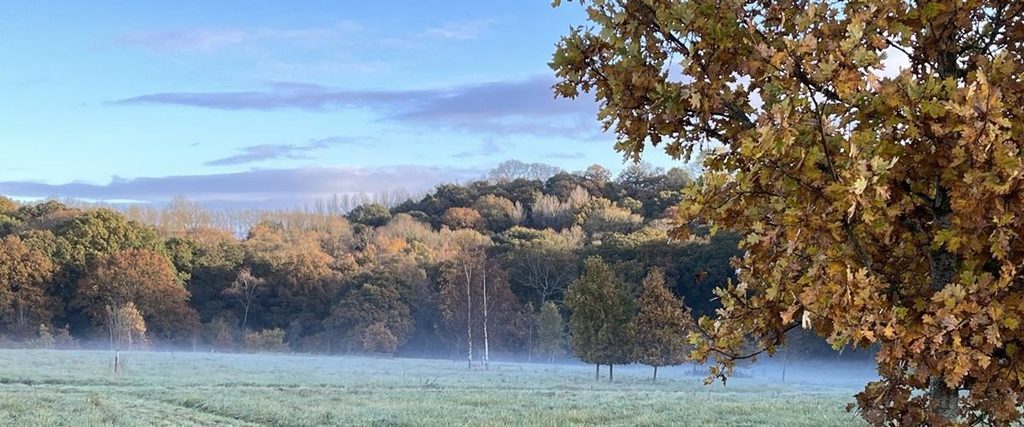
Alne Wood Park is a 12-acre natural burial ground set within a peaceful wildflower meadow, surrounded by woodland and countryside. It offers both full burials and the interment of cremated ashes.
The site aims to encourage biodiversity and maintain a natural landscape for families and wildlife.
Westall Park Woodland Cemetery, Worcestershire
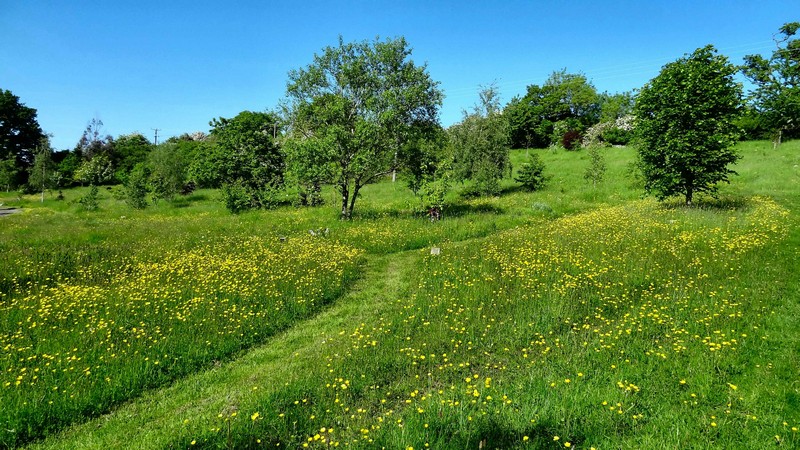
Located in the Worcestershire countryside, Westall Park is set within 12 acres of open meadows and developing woodland. It offers a peaceful woodland setting where families can remember their loved ones surrounded by nature.
Worcester Cemeteries Natural Burial Area, Worcester
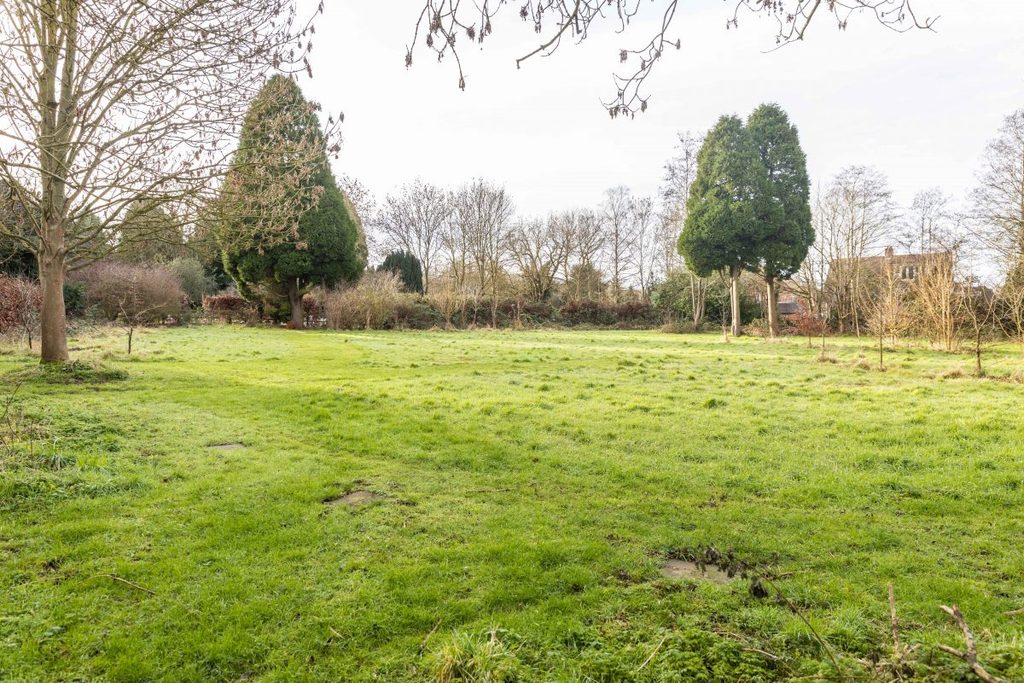
Worcester Cemeteries also offers a natural burial area alongside its existing cemetery grounds. The area is managed to encourage wildflower growth and biodiversity, with simple flush memorial stepping stones available to mark graves.
Should I have a natural burial?
Choosing a natural burial is a personal decision. It may be something you have considered for yourself, or something you are exploring on behalf of a loved one.
There are a few things worth thinking about before deciding whether it is the right choice.
Your personal wishes
If you feel strongly about having an environmentally conscious funeral and being laid to rest in a natural setting, a natural burial may be a suitable option. It can also be a meaningful choice for someone who has always enjoyed spending time outdoors or had a connection with nature.
The location
Think about where you would like to be buried and how easy it will be for family and friends to visit. It is worth visiting a few natural burial grounds in person, as the surroundings and atmosphere can vary considerably.
Memorial options
Natural burial grounds tend to have more restrictions on memorials than traditional cemeteries. If having a traditional headstone, placing certain items at a grave or planting a tree directly above the burial site is important to you, check what is permitted beforehand.
Family considerations
It is worth discussing your wishes with your family so they understand your decision and know what arrangements you would like. Some people find comfort in having a specific place to visit, while others may prefer the idea of a more natural and informal resting place.
Ultimately, there is no right or wrong choice. What matters most is choosing a funeral and resting place that feels appropriate for you and your loved one.
How can Jackson Family Funeral Directors help?
If you are considering a natural burial, our team is here to help you understand the options available.
We can talk you through the arrangements, help you find a suitable natural burial ground and liaise with the site to make sure its requirements are followed.
Whether you are planning ahead or arranging a funeral for someone close to you, we will take the time to understand your wishes and provide honest, straightforward advice.
If you have any questions about natural burials or would like to discuss your options, please get in touch with our team. We are always happy to help.
